
Drag
Los Naranjos, 6:40 am
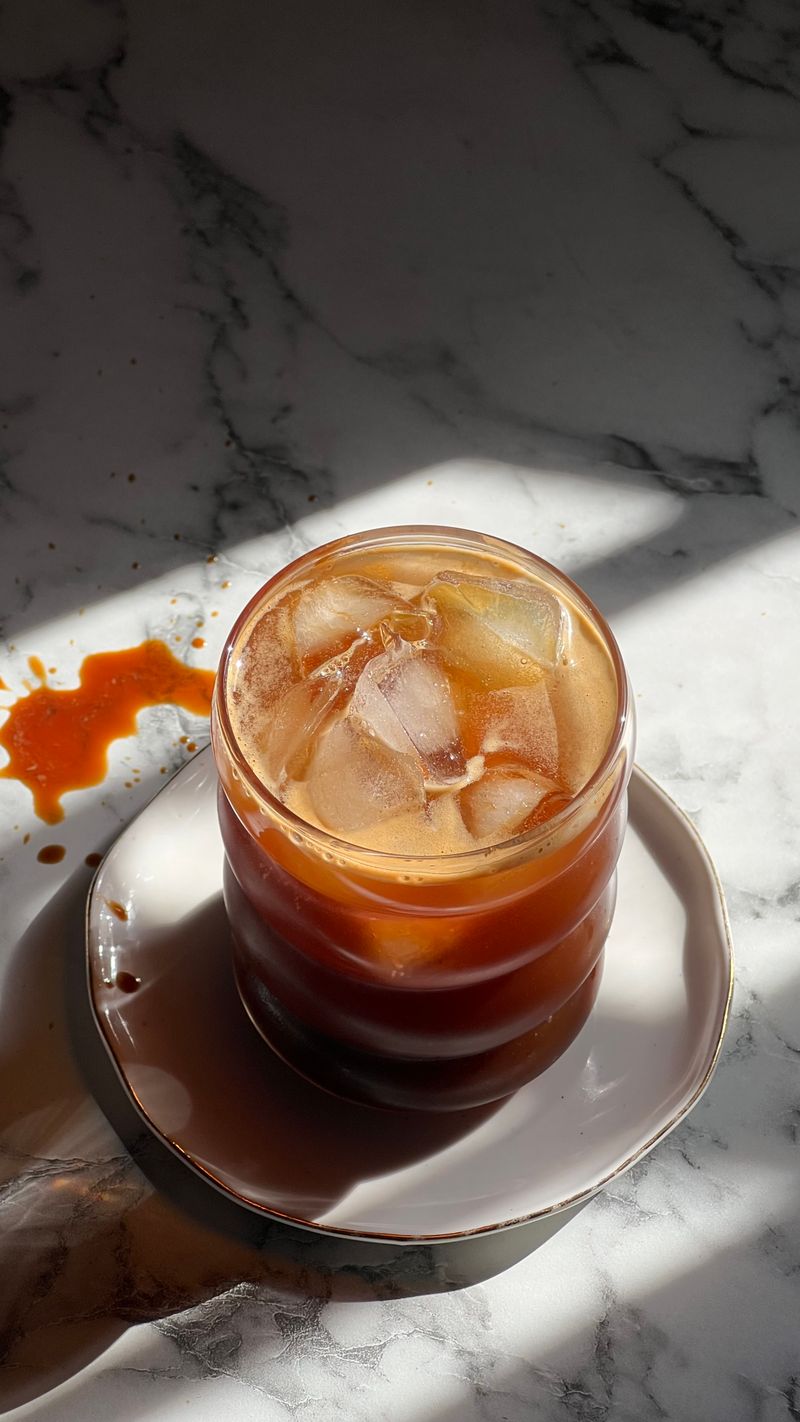
Original, over ice
Sunday, no plans
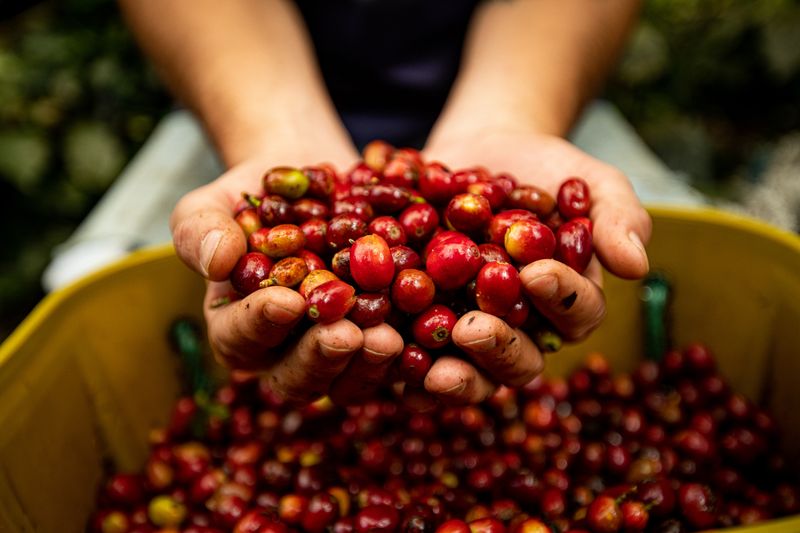
Only the red ones
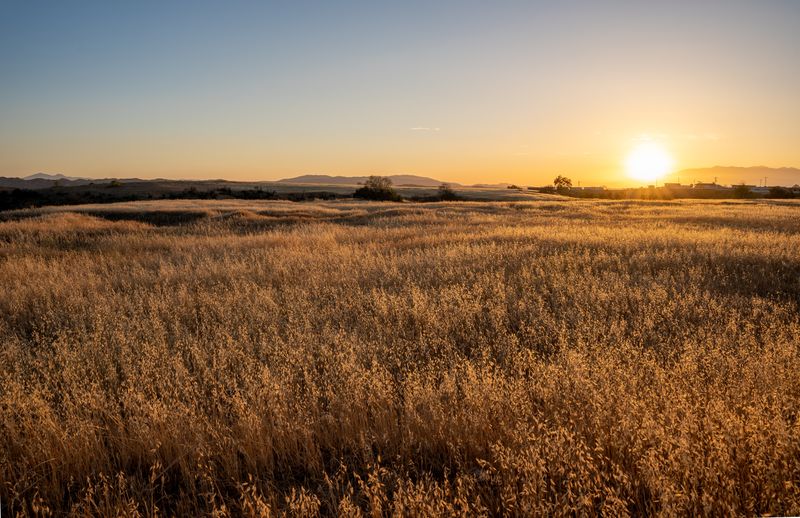
Wimmera oats
Three o'clock
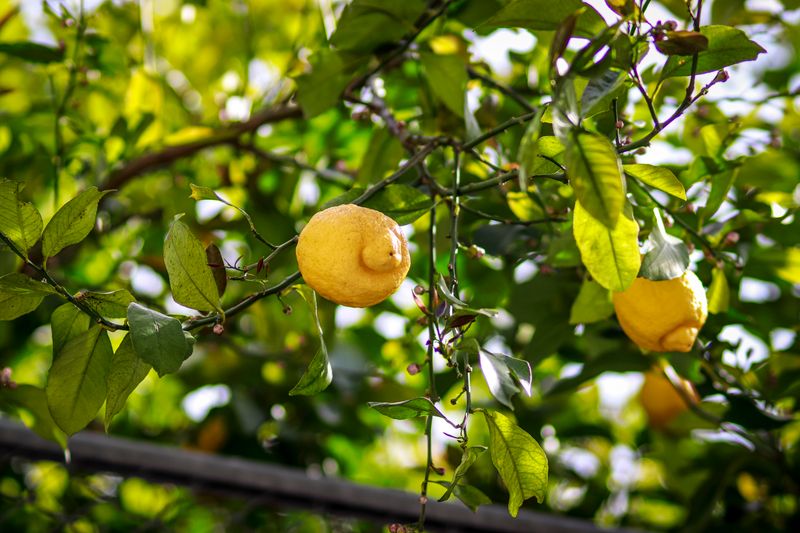
Lemons, Onomichi
Window seat
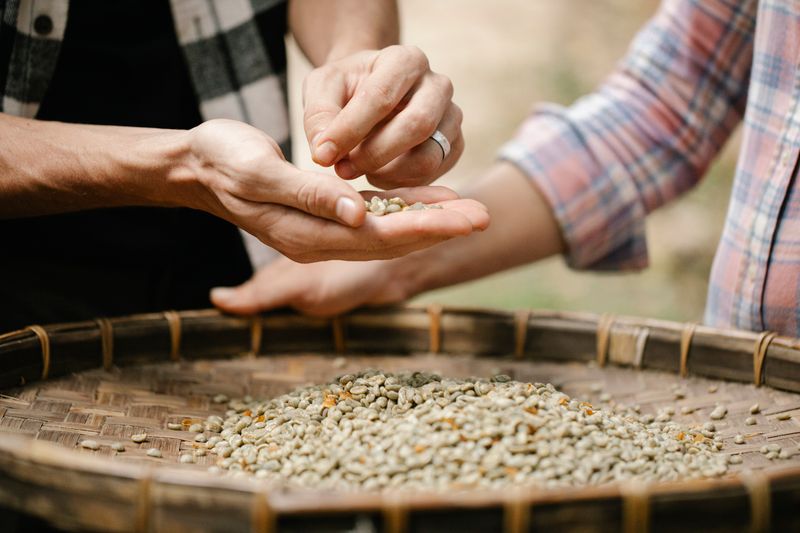
Green, resting
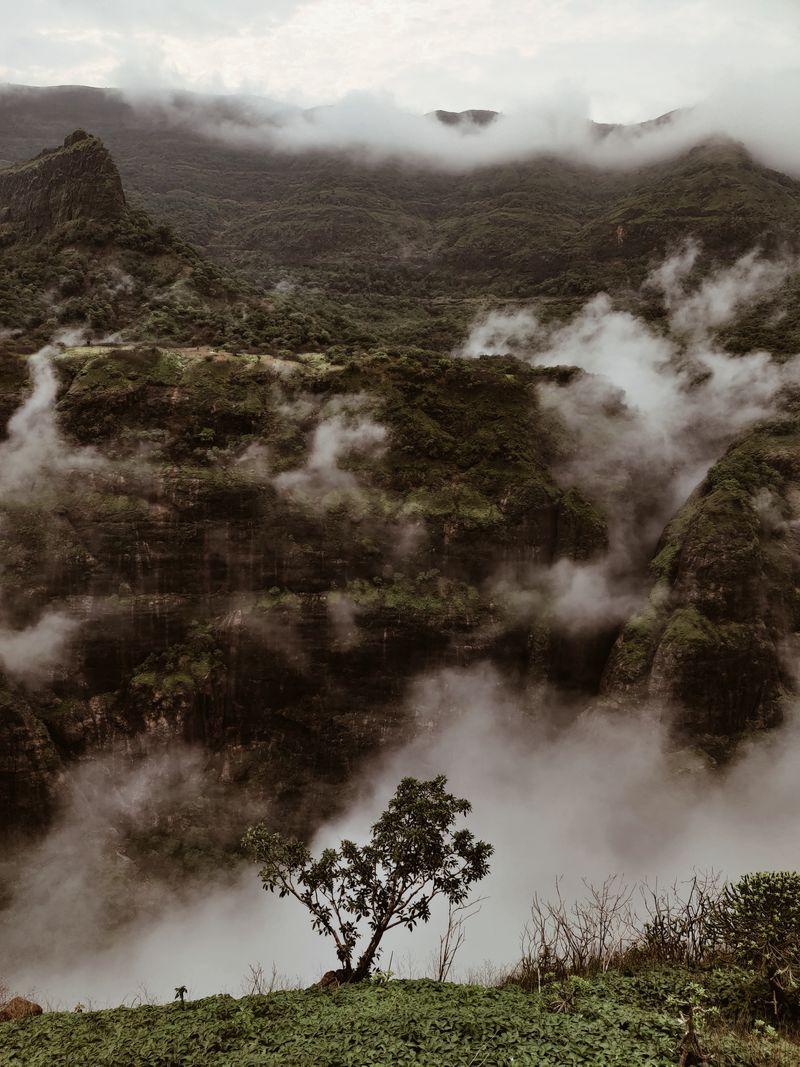
Sidama, in cloud
A morning's picking
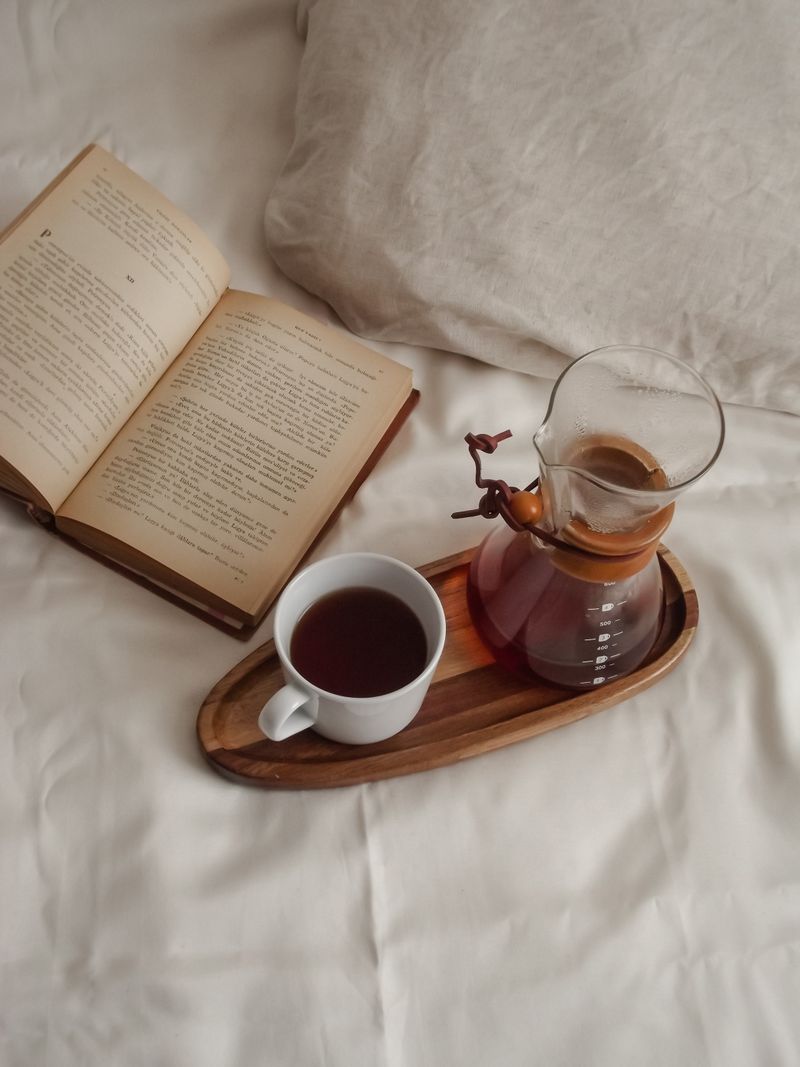
Reading in bed
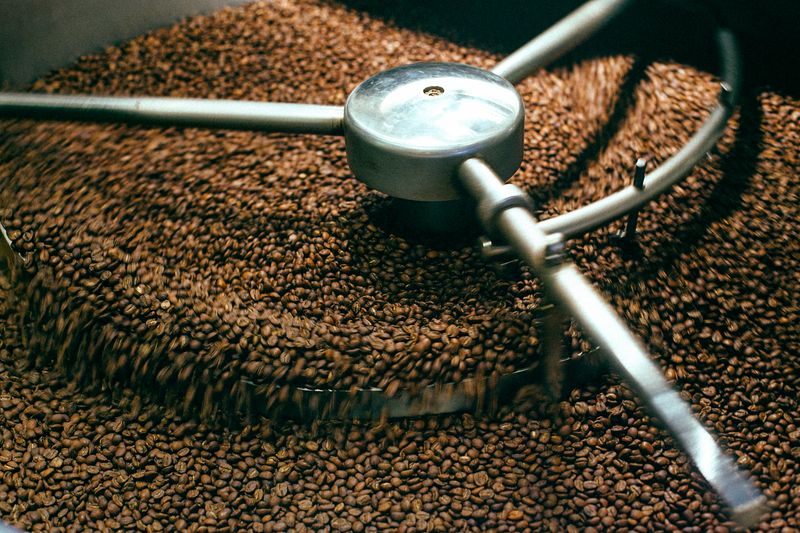
Marguerite, mid-roast
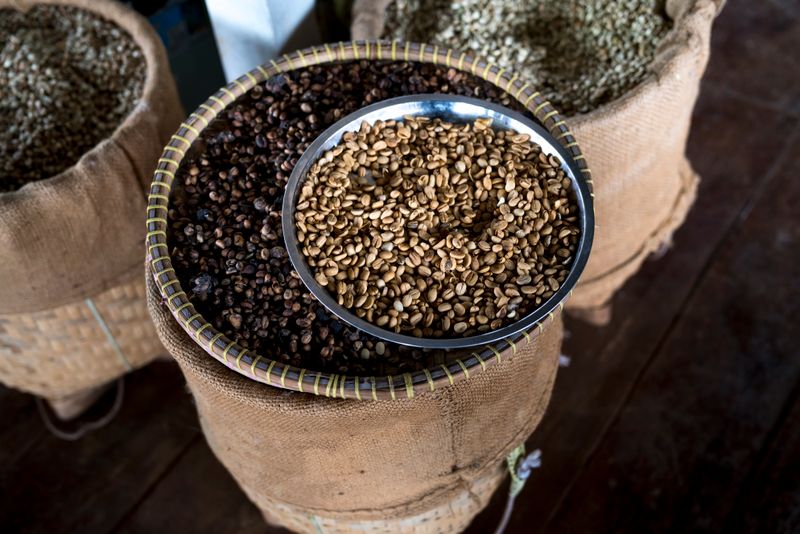
Sorting, Kebele Hills
Monday, canning day

Slow reading.

Drag to wander
Journal

Short essays from the roastery, written on Tuesdays while Marguerite cools down. About mornings, mostly. Occasionally about coffee. Never more than a can's worth of reading.

Essays for the unhurried.

On mornings, mostly. And the long way home.

Read one. Then go and make a coffee.

No. 05 · Oct 2026

On detours, the Merri Creek trail, and why the fastest route is rarely the one you remember.

2 min read0 words

There is a route from the roastery to Theo's place in Northcote that takes eleven minutes by bike if you stick to the main road, and about twenty-five if you don't. The long version follows the creek, loses the traffic after the first bridge, and passes a bench where an old man feeds the same three ducks every evening at six. We have never once taken the short way.

This is, I think, the whole philosophy of the company, if a company is allowed a philosophy. We did not set out to make coffee faster, or stronger, or more convenient, because the world has plenty of that and it has not made anyone happier. We set out to make the kind of coffee you drink on the bench by the creek. Which turns out to be a cold one, in a can, made very slowly by someone who wasn't in a hurry either.

The trick with the long way home is that it isn't longer in any way that matters. You arrive. You just arrive with something: a thought you'd been avoiding, the smell of the creek after rain, the knowledge that the ducks are fine. The eleven-minute version gives you eleven minutes back, and you spend them on your phone.

So: take the long way. Drink the slow coffee. If you must be efficient, be efficient at something else.

No. 04 · Aug 2026

We steeped the same grind for six, twelve, eighteen and twenty-four hours and tasted them blind. A report.

2 min read0 words

People ask why eighteen. It is a reasonable question, and for a long time our honest answer was that it felt right, which is the kind of thing that sounds romantic on a label and useless in a kitchen. So in August we did the experiment properly: one lot of Los Naranjos, one grind, one water, four fridges, and a tasting table set up blind.

Six hours tasted like a very good iced coffee that someone had made in a hurry. Bright, thin, a little sour at the end, as if the acid had got there first and the sugars were still putting their shoes on. Twelve was better: the chocolate had arrived, the body had filled out, but there was a sharpness on the finish we kept noticing and kept trying not to.

Eighteen was the one everybody circled. Full, round, no edges, a long toffee finish that kept going after the glass was down. Twenty-four, interestingly, was not better. It was heavier, a bit muddy, with a woody note that we later agreed was the taste of the grind giving up things it should have kept.

So eighteen is not a marketing number. It is the point at which the sugars have come out and the bitterness hasn't. We tested it. We'd test it again, but the fridges are full.

No. 03 · May 2026

Nobody invented the morning, but a great many people have tried to improve it. Most of them were wrong.

2 min read0 words

For most of human history the morning was simply the part of the day before it got hot. You got up because the light did, you ate something, and you walked somewhere. It was not, as far as anyone can tell, considered a problem to be solved.

Then came clocks, and then factories, and then a long and ongoing campaign to make the morning more productive. The alarm. The commute. The five a.m. club. Routines with steps in them. An entire genre of literature exists to tell you that successful people wake earlier than you, and an entire industry exists to sell you the coffee that will get you through it: faster, stronger, in a pod, in a pouch, in a can the colour of a warning sign.

We would like, gently, to propose the opposite. The morning is the best part of the day precisely because nothing has happened yet. It is the only hour in which you are not behind. Rushing it is like fast-forwarding the opening of a film because you want to get to the plot.

Our suggestion is small. Open a can. Sit by a window. Do not check anything. The plot can wait twenty minutes; it has been waiting for most of human history.

No. 02 · Feb 2026

Cold water is a gentle solvent. Here is what that means for the roaster, and for the cup.

2 min read0 words

Most cold brew is made from coffee roasted dark, on the theory that cold water pulls out less flavour and the roast should make up the difference. The result is familiar: smooth, chocolatey, a little flat, like a photograph of a cup of coffee.

We went the other way. Marguerite drops our beans at 196 degrees, eleven minutes in, which is light enough that the Sidama lot still tastes like the fruit it was three months earlier. Cold water, it turns out, is not a weaker solvent so much as a more selective one. Give it time, and it takes the sugars and the aromatics and leaves the harsh, roasty compounds behind. Give it a light roast, and there is something worth taking.

The cost is patience. A light roast needs the full eighteen hours; a dark roast would be done in eight, and you would taste the difference in exactly the way you taste the difference between a stock made overnight and one made from a cube. We think the patience is the point. Marguerite, for what it is worth, agrees; she has never been asked to go past second crack and would prefer to keep it that way.

No. 01 · Aug 2025

Three days on the ridge with Don Álvaro, a dog called Tinto, and the quietest coffee we have ever tasted.

2 min read0 words

The road up to Los Naranjos stops being a road about two kilometres below the house, and from there you walk, or you ride in the back of Camila's truck and hold on. We walked. It was August, which is between harvests, and the farm had the particular calm of a place that has just finished something difficult and knows it will have to do it again soon.

Don Álvaro met us at the gate with a dog called Tinto, who is named after the small black coffee served in every kitchen in Huila and who shares its temperament: dark, insistent, impossible to refuse. We drank a great deal of tinto over three days. It is made from the farm's own beans, roasted in a pan by Álvaro's mother, who is eighty-four and does not believe in our fifteen-kilo Probat or, we suspect, in us.

What we came for was to taste the mitaca, the small second harvest that comes off the trees in April and May, and to agree a price for next year's main crop. We did both. The price is written on a piece of paper that lives in the glovebox of the truck, and it is the same number whatever the market does, which is the only honest way we have found to buy coffee from people we like.

On the last morning the cloud sat in the valley until ten, as it does, and we drank the quietest coffee we have ever tasted on the step of the house, with Tinto asleep across our feet. We think about that step most mornings. We try to put a little of it in every can.